Autumn has always been my favorite season. I love the boots and sweaters, the soups and stews, the sharp sweetness of woodsmoke drifting from a chimney, and the smell of fallen leaves beginning their slow return to the earth. It is a season that makes me want to come home—not only to my house, but to myself.
When I was younger, I resonated much more with the fire of summer. I loved its outward movement, its long days, its heat and momentum. As I have gotten older, I have come to appreciate the medicine of autumn: the quieting, the cooling, the lengthening darkness and the invitation to become more receptive. Summer asks us to go out into the world. Autumn begins calling us back.
In the Western European and Mediterranean traditions, I work within, autumn is often associated with Water, sometimes with an accompanying thread of Earth. Water is the realm of emotion, intuition, receptivity and flow. Earth holds decomposition, nourishment and the mystery of what becomes possible when something is allowed to end. In Traditional Chinese Medicine, autumn is associated with Metal and with the lungs and large intestine—the organs that help us receive what sustains us and release what no longer does. Metal carries the emotional landscape of grief, but it also brings clarity, discernment and the ability to recognize what is truly precious.
These cosmologies come from different cultures and should not be flattened into one tidy system, but I love the conversation that takes place among them. Water teaches us to feel. Earth teaches us to compost. Metal teaches us to refine and release. Together, they offer a beautiful map for the season.
Autumn reminds us that living things cannot continually bloom, produce and expand. There must also be a time of gathering in.
Honoring the Harvest
This is the season when we harvest what we planted and return what is no longer needed to the earth—both literally and figuratively. In the garden, we gather the last vegetables and herbs, save seeds, plant bulbs and carry the spent vines and stalks to the compost pile. In our inner lives, we are invited to look at what the year has brought us and decide what we wish to carry forward.
Not every seed we planted came to fruition. Some plans flourished; others barely broke the surface. Some things we worked very hard for may have revealed themselves to be things we did not truly want. Autumn gives us space to honor all of it: the harvest, the disappointment, the unexpected gifts and the lessons we could not have received any other way.
What did you grow this year?
What sustained you?
What depleted you?
What are you still trying to keep alive simply because you once planted it?
We can celebrate what came to fruition without pretending the year held no losses. We can also bless what did not work and send it on its way. Nothing in nature is wasted. Fallen leaves, failed crops and broken branches become nourishment for another season. Our disappointments can do the same when we stop clutching them and allow them to decompose. This one is especially hitting home for me. I don’t know if it is the Virgo side of me and the high expectations, I hold for myself and others, but I tend to be disappointed easily. I have been working on this one for several years and the grief that comes along with it. I definitely clutch onto the disappointments and being a lifelong “future jumper”, I find that I am disappointed before I even know for sure whether something will or will not happen. Can anyone relate? That is why working with the Water element and focusing on being in flow is so important for my mental health.
Planting in the Dark
We often think of spring as the season of planting, but some seeds and bulbs must be planted in autumn. They need the cold and darkness of winter to soften their protective shells and awaken what is waiting inside. They teach us that not all growth begins in warmth and light. Some things must first be entrusted to the dark.
For many years, I waited until December to reflect on the year and begin planning the next one. That reflection inevitably stretched well into January, when my body and spirit wanted to be resting. I finally realized that the cultural pressure to charge into a “new year, new you” frenzy was not in harmony with my own life—or with the winter landscape around me.
Autumn is a much more natural planning season for me. There is still enough light and clarity to look honestly at what has been, gather the lessons and plant a few intentions for what may come next. Then, when winter arrives, I can enter it with greater openness. I can be present with friends and family during the holidays, leave room for wonder and play, and allow January to be a season of listening rather than immediately turning myself into another improvement project.
The seed does not make a vision board underground. It rests, softens and waits for the right conditions. There may be some wisdom in that for us.
Simple Ways to Live with the Season
Living in harmony with the Earth does not need to become another elaborate spiritual assignment. Most of us already do things that align naturally with autumn. The invitation is simply to bring more presence and intention to them.
Go outside and gather what remains in the garden. Plant bulbs that require winter’s cold. Rake leaves if you must but play in them first. Let yourself remember that you have a body and that your body belongs to this living world.
Cook foods that feel grounding and generous: soups, stews, roasted roots, simmering beans and meals fragrant with herbs. Cooking can be more than a task to complete at the end of a long day. It can be a way of tending the hearth and caring for the people who gather around it. Share what you make. Autumn food wants company.
Water also reminds us to tend the emotional body. Ask yourself how you are doing—and then stay quiet long enough to hear the answer. Are you getting enough sleep? Do you need more support for your immune or nervous system? Where are you pushing against the current, and where might life be asking you to soften or change direction? Being “in flow” does not mean that everything is easy. Sometimes it means allowing ourselves to feel what is true instead of using busyness to outrun it.
Create a small seasonal altar or simply a place of beauty in your home. It might hold colorful leaves, twigs, evergreen needles, stones, seedpods, a candle or a bowl of salt water. You might add an image of an ocean-dwelling creature, a shell from a meaningful journey or something that represents the harvest of your own year. An altar does not need to be grand. It is simply a place where attention gathers.
Autumn is also a natural time to begin remembering and honoring our ancestors. As the plant world withdraws and the nights grow longer, many cultures have understood this season as a threshold when the worlds draw closer together. You might place a photograph on your altar, cook a family recipe or sit quietly with the question: What wisdom from those who came before me is ready to be remembered? We will journey more deeply into ancestral practices later this month.
The Aromatics of Autumn
One of my favorite ways to work with the season is through aromatics. The scent of autumn lives in woods, bark, roots, resins, berries and citrus peel. These plants carry stories of protection, warmth, purification and homecoming. I work with them through carefully diffused essential oils, aromatic resins and the gloriously old-school magic of a simmer pot on the stove.
Sweet Orange brings sunlight into the darker months. Although it comes from the peel rather than the deep roots or woods, we often associate with grounding, its warm brightness can soften emotional heaviness and help a home feel welcoming. It reminds us that turning inward does not have to mean becoming grim. Autumn is allowed to be playful too.
Atlas Cedarwood has a steady, sheltering presence. Its aroma evokes old forests, sturdy trunks and the feeling of being held by something larger and older than ourselves. I reach for it when the mind is scattered or the nervous system needs help remembering the ground. It is particularly beautiful in the evening, when we are ready to gather our energy back from the day.
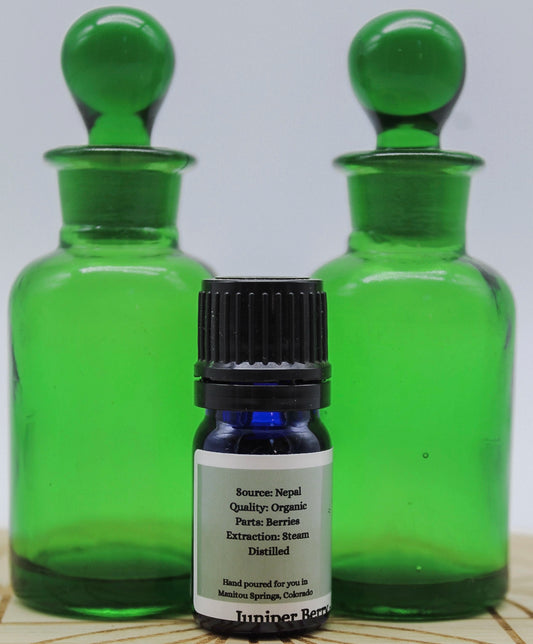
Juniper Berry feels both cleansing and protective. Its crisp, green fragrance can shift the atmosphere of a room and help clear the emotional cobwebs. Where cedar holds us close, juniper opens the windows. It is an aromatic ally for discernment: What belongs here, and what is ready to leave?
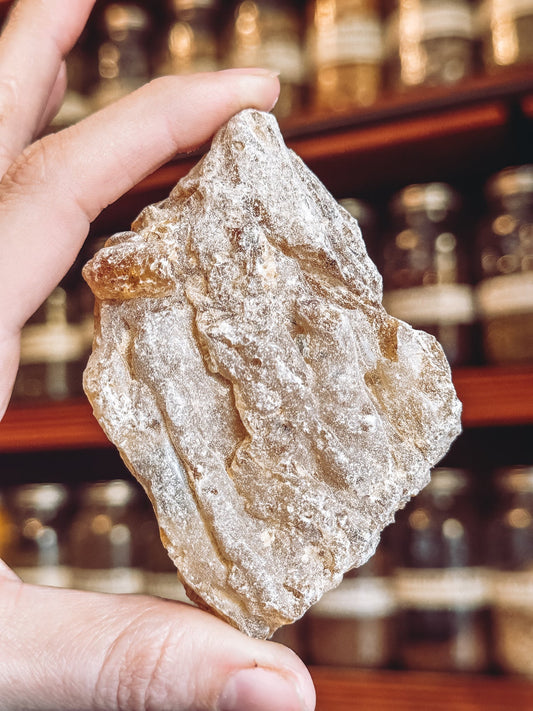
Palo Santo and Copal carry the ancient, mysterious fragrance of resin and smoke. I love working with both, but always with respect for their cultural histories and attention to responsible sourcing. Their scents can help mark the transition from ordinary time into ritual time. A little aromatic smoke rising through a room has a way of making us pause, become present and remember that our lives contain sacred thresholds.
And then there is cinnamon—the aromatic equivalent of putting on warm socks. I adore it during autumn, but I usually work with whole cinnamon sticks in a simmer pot rather than cinnamon essential oil, which is extremely potent and requires more care. A pot of cinnamon sticks, citrus peel and a few juniper berries gently steaming on the stove fills the house with warmth without turning the kitchen into an essential-oil chemistry experiment.
Essential oils are concentrated plant medicines, so more is not better. A few drops diffused intermittently in a well-ventilated room are generally plenty, with extra care taken around children, pets and anyone with respiratory sensitivity.
The Wisdom of Letting Go
Autumn does not ask us to discard everything or retreat from our lives. It asks us to become more discerning about what deserves our energy. It teaches us to separate the grain from the chaff, preserve what will nourish us through winter and return the rest to the earth.
Take time to celebrate your wins. Honor the lessons that arrived disguised as failure. Name what you are ready to release and consider what quiet seeds you want to place into the dark—not so that you can force them to grow immediately, but so they can begin their unseen work.
The trees do not apologize for letting go of their leaves. They release what they can no longer sustain and trust that life will return in another form.
Perhaps this is why autumn feels so much like coming home. Beneath the color, fragrance and beauty, it reminds us of something the living world has always known: letting go is not the opposite of growth. Sometimes, it is how the next life begins.
What helps you come home to yourself in autumn? Are there foods, aromatics, rituals or family traditions that help you feel connected to the season? I would love to hear them.