




I was first introduced to vaginal steaming when I went through my Women's Traditional Healing and Ethno-botany training with Shelley Torgove and later in my Maya Uterine Massage training with Dr. Rosita Arvigo. This was during a time of my life when I was trying to conceive and had some losses. Vaginal steaming became a part of my healing on a physical, emotional and spiritual level. Since then (and after having my son 20 years ago) they still support me in my transitions from one stage of womanhood to another. I am always so grateful for traditions passed to me from cultures other than my own. But as a woman of Southern Italian and German lineage I always wonder if our ancestors also had these practices and how we can reclaim them. I know in my very bones that we all had these practices, but for those of us with European lineage our wise women and healers were burned and the knowledge was kept hidden, passed down in secret and then once they crossed the Atlantic it was for the most part forgotten. So it is always my quest to cross-culturally research the Wise Woman Ways. This article started out with some basic information on vaginal steaming and has turned into what will be a four part series on reclaiming this wisdom in my own lineage and some ways for any woman from wherever her people hail from to reclaim these practices. I do hope you enjoy this overview.
Vaginal steaming – often called yoni steaming – is a gentle self-care practice that involves sitting or squatting over warm, herb-infused steam so it can circulate around the vagina and pelvic area (traditionalbodywork.com). The steam carries the medicinal properties of herbs to the sensitive tissues of the vulva, vaginal canal, and womb. Women have used this age-old remedy across many cultures to nurture their reproductive health and bring warmth and circulation to the womb space (originalinstructionsschool.com.) At its core, vaginal steaming is a relaxing ritual: you simply sit over a basin of herbal steam (often on a special open-seated stool or chair) and allow the soothing warmth to permeate your lower body. This practice is deeply rooted in traditional wellness systems and is now being lovingly revived by modern women seeking natural ways to care for their bodies.
Traditional and Cross-Cultural Roots
For generations, women around the world have turned to vaginal steaming for healing, ceremony, and postpartum care. Here are a few ways this practice appears across different cultures, often with spiritual significance:
- Korea (Chai-yok): In Korea, vaginal steaming (called chai-yok) has been common for centuries. Women sit on open stools over boiling herbal infusions; sessions are offered in spas and clinics and traditionally used after menstruation or childbirth (traditionalbodywork.com steamychick.institute.) Korean steam practitioners often tailor specific herbs (like mugwort and wormwood) to a woman’s needs, and the practice is considered a routine part of women’s wellness.
- Mesoamerica (Bajos): Maya midwives and healers in Central America have long used vaginal steam baths known as bajos (“low baths”) as a respected remedy for women (birth-institute.com.) Early Spanish records describe Maya and Aztec women steaming with aromatic herbs after childbirth to aid recovery. Even today, traditional midwives in countries like Guatemala and Mexico administer bajos in the week after birth to cleanse and revitalize the uterus, and women use them to ease menstrual difficulties. This lineage of wisdom has been kept alive in some Indigenous and mestizo communities and is now being rekindled through Maya abdominal therapy practices (birth-institute.com.)
- Africa: Variations of vaginal steaming are found in many African traditions, often focused on postpartum healing and ritual cleansing. For example, in Ghana it’s customary for new mothers to steam daily for about a month after giving birth as a healing method (steamychick.institute.) In Ethiopia and Eritrea, women traditionally sit over steaming or smoking herbs (like myrrh) in a small hut or an earthen “steam house” as part of postpartum care (steamychick.institute). Across parts of southern Africa, elders have passed down steaming recipes to younger women for general womb wellness. These cross-generational practices highlight a belief in the purifying and toning power of herbal steam for the female body.
- Indigenous Communities: Many Indigenous peoples worldwide include some form of herbal pelvic steaming in their wellness or ceremonial routines. For instance, among the Garifuna (Afro-Indigenous people of the Caribbean coast), traditional midwives perform vaginal steams on new mothers as part of postpartum care (steamychick.institute). In some Native American and First Nations communities, herbal steams or smoke baths have been used by women for cleansing and spiritual renewal (often alongside sweat lodges or herbal baths). The thread common to these Indigenous practices is a view of steaming as sacred “womb care” – a way to honor the female body’s ability to create life and to energetically cleanse and balance a woman’s center.
In medieval and early modern Europe, vaginal fumigation (also called “fumigium” or “fumigation of the womb”) was a recognized treatment in humoral medicine to address perceived imbalances in the uterus or “wandering womb” (a now-discredited historical concept).
- Physicians and midwives used smoke or steam from herbs or resins (such as frankincense, myrrh, mugwort, or rue) directed toward the pelvic area to treat conditions like menstrual obstruction, infertility, or "cold womb."
- The woman would sit over smoldering herbs or vapors in a kind of seated arrangement or bed with a hole in it — much like modern yoni stools.
- These methods were often written about in medieval medical texts by physicians such as Hildegard of Bingen, who also prescribed herbs like mugwort and yarrow for women's reproductive issues.
In Southern Italy, Greece, and the Balkans, midwives and traditional healers sometimes used herbal steams and smoke baths postpartum or for menstrual regulation. While not always described in the modern "vaginal steam" framing, these were often part of broader ritualistic or cleansing practices:
- In rural Italian folk healing, women were encouraged to squat over steams of vinegar, wine, or aromatic herbsto "draw down" the menses or clear lingering postpartum fluids.
- In Greek and Balkan traditions, postpartum women underwent warm water steams or herbal baths infused with lavender, oregano, or sage to "warm the womb" and aid uterine recovery — echoing the belief that "cold" or "retained" blood caused illness.
Witchcraft, Midwifery, and Steam as Sacred Medicine
During periods of persecution, especially in Early Modern Europe (14th–17th centuries), some women's herbal healing practices were lumped into accusations of witchcraft — including the use of herbal smoke, steam, and baths for fertility, miscarriage, and menstruation. These practices may have included:
- Steaming herbs associated with lunar cycles, sacred groves, or feminine rites.
- Using ritual steam baths before ceremonies, with plants sacred to the Goddess or female archetypes (such as Artemis/Diana, Hekate, or Brigid in Celtic lands).
- In Celtic and Slavic traditions, healing women sometimes conducted smoke ceremonies over women's wombs as part of energetic or spiritual cleansing.
Each of these cultural traditions treats vaginal steaming as more than a physical treatment – it’s also a time-honored ritual. Whether done in a Korean bathhouse or by a Mayan grandmother with a bowl of herbs, the practice carries an intention of caring for a woman’s deepest self, often invoking ancestral knowledge and spiritual connection.
How to Do a Vaginal Steam at Home (Safely)
Many women are rediscovering vaginal steaming as a home wellness ritual. You can create a simple, safe vaginal steam setup in your own space with just a few basic tools and herbs. Always approach steaming gently and listen to your body. Here are some steps to guide you through a nurturing at-home yoni steam:
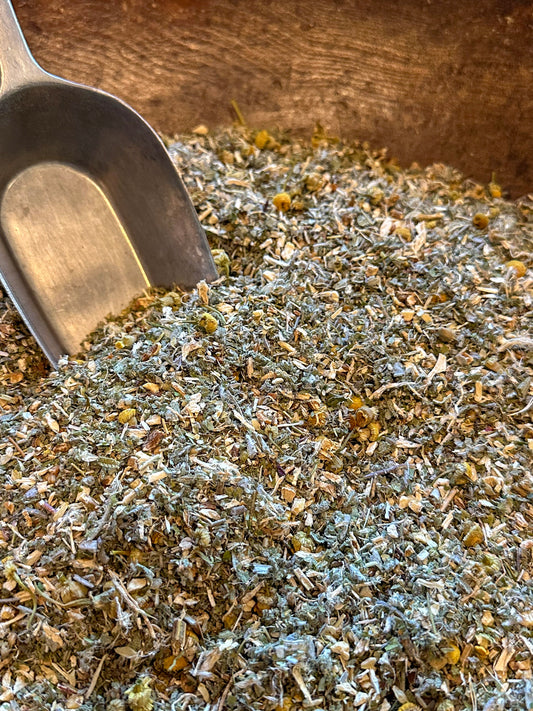
- Prepare your herbs and water: Place about a cup of dried herbs of your choice into a large pot or heat-safe basin and add boiling water (or simmer the herbs in water for 5–10 minutes)( healthline.com.) Common herbs for steaming include mugwort, chamomile, rosemary, lavender, oregano, basil, or calendula – often chosen for their soothing and cleansing properties. Cover the pot and let the herbs steep for a minute or two, allowing the water to cool just slightly and the herbal oils to infuse the steam (healthline.com.)
- Set up a comfortable spot: Find a private, draft-free area where you can sit or squat comfortably over the steam. You might use a special steaming stool or chair with an open hole, or simply place the basin of hot herbal water in your toilet bowl (lift the seat) (healthline.com). Another option is to set the pot on the floor in a secure, stable position and then squat over it. Whichever method you choose, make sure the setup feels stable and you won’t risk tipping over the hot water.
- Test the temperature: Safety is key – the steam should feel warm and gentle, never scalding. Before exposing sensitive skin, test the steam’s heat by waving your hand or inner wrist over it, much like testing a baby’s bath temperature.If it’s too hot for your wrist, let it cool a bit more. You want a comfortable warm mist, not a burn risk. This step is crucial to prevent any injury to your delicate areas.
- Get in position and cover up: Undress from the waist down and carefully sit or hover over the steaming water. Drape a large blanket or towel around your lower body (from your waist to the ground) to create a tent that traps the steam.. This helps direct the herbal warmth upward. Make sure you are stable – if using a stool or toilet, sit firmly; if squatting, you may hold onto a chair or wall for support. Once you’re in place, relax your shoulders and pelvis. You should feel a gentle warmth rising.
- Relax and enjoy the steam: Close your eyes, breathe deeply, and allow the herbal steam to circulate. You can use this time to meditate, listen to soft music, or simply rest in quiet. A steam session typically lasts about 10 to 20 minutes, or until the water cools down (first-timers might start on the shorter end). You may feel a warm sensation in your pelvic area and a calming overall effect. If at any point the heat feels too intense or you become uncomfortable, stop the steam – never “push through” any pain or overheating.
- After your steam: Gently pat yourself dry and keep warm. It’s nice to wrap in a cozy blanket or put on socks and relax for a little while after steaming, allowing your body to integrate the experience. Many women like to journal, sip warm tea, or continue to rest for 15-30 minutes post-steam, as the sense of calm can deepen. Note: The vagina may have an increase in discharge after steaming or, if done right before menstruation, you might notice a bit more menstrual flow – some consider this part of the cleansing process. Always stay hydrated and honor how you feel.
By following these steps, you create a safe and soothing environment for your vaginal steam. Remember, the goal is gentle nourishment – never use boiling-hot steam directly on your body, and always listen to any signals (like irritation or dizziness) that indicate it’s time to stop. When done mindfully, an at-home yoni steam can feel like a mini spa ritual connecting you to generations of women before you.
Holistic Benefits for Body, Mind, and Spirit
One of the beautiful aspects of vaginal steaming is its holistic impact – women report benefits that touch not only the body, but also the mind and spirit. This is a practice rooted in wellness traditions, so its “benefits” are often described in terms of supporting the body’s natural processes and fostering emotional and spiritual well-being, rather than treating specific medical conditions. Here are some of the holistic benefits associated with vaginal steaming:
- Body (Physical Support): The warm steam increases circulation in the pelvic region, which can help relax pelvic muscles and may ease menstrual cramps or bloating. Many women find that steaming after their period or postpartum helps them feel cleaner and more balanced, as if the womb is being gently cleansed and toned. In traditional settings, herbal steams are used to support the uterus in releasing any residual menstrual blood and to promote healing after childbirth. Physically, women often describe feeling less tension or dryness in the vaginal area after a steam, and some report more regular cycles and reduced discomfort over time. While everyone’s experience varies, the overall physical effect is one of warmth, increased circulation, and a sense of pelvic relaxation.
- Mind (Emotional Well-Being): Vaginal steaming is as much a mental respite as it is a physical treatment. Taking the time to sit quietly over soothing herbal steam can be a form of meditation and stress relief. The stillness and warmth provide a calming experience that encourages you to slow down and turn inward. Women often use this time to release emotions – it’s not uncommon to set an intention to let go of stress or heartbreak during a steam. The practice has been said to help release stored emotions and anxiety, leaving a feeling of lightness afterward (yonisteamhonolulu.com.) Modern women are finding that this age-old ritual offers a much-needed pause from the rush of daily life, creating a sacred space for self-care. Even if you’re skeptical of physical effects, simply sitting and relaxing in this manner can be profoundly restorative for the nervous system, easing tension and cultivating a blissful, grounded mood.
- Spirit (Energetic and Spiritual Connection): On a spiritual level, many consider yoni steaming a ritual of reconnecting with feminine energy and ancestral wisdom. Culturally, the practice is steeped in the idea of honoring the womb – the creative center of life – and by doing so, women often feel a sense of empowerment and alignment. Steaming is described as a ceremony of “womb cleansing” that can help you realign with yourself and even balance your feminine energy centers (some liken it to balancing the root and sacral chakras. It’s a time to literally and figuratively warm your core. Some women visualize releasing negative energy or past traumas with the rising steam, finding emotional healing in the process. Others simply enjoy feeling connected to the generations of women before them: it can be deeply nourishing to remember that your ancestors likely practiced similar rituals with herbs and prayer. In this way, vaginal steaming can become a sacred self-love practice – one that nurtures not just your physical womb, but your heart and spirit as well.
- In summary, the holistic benefits of vaginal steaming are highly personal and subjective. While scientific research hasn’t caught up to these traditional claims, many women swear by how rejuvenated and balanced they feel afterward. The key is that it’s a ritual of care – by slowing down and tending lovingly to your body, you may unlock benefits that touch every level of your being, from the physical to the spiritual.
Safety Considerations and When to Avoid Steaming
Vaginal steaming must be approached with care. While generally gentle, it is not appropriate for everyone at all times. It’s important to honor the signals of your body and adhere to some basic safety guidelines that have been passed down by practitioners. Below is a clear safety disclaimer and situations in which you should avoid vaginal steaming:
- Do not steam during pregnancy. Avoid steaming if you are pregnant or even suspect you might be. Steaming increases heat and circulation in the pelvic area and can stimulate uterine activity, which is unsafe during pregnancyIt’s also unknown how the herbs or heat might affect a developing fetus (healthline.com). Pregnant women should instead seek other gentle wellness practices and save yoni steams for after birth (and only with guidance from a midwife or herbalist postpartum).
- Avoid during menstruation or any active bleeding. Never steam while you are on your period or experiencing fresh spotting/bleeding (steamychick.institute.) Steaming during menstruation is contraindicated because it can interfere with your natural flow and may cause heavier bleeding. Traditional advice is to steam before or after your period, but not during. Likewise, if you’ve had a recent miscarriage or abortion, or you’re in immediate postpartum recovery with lochia present, wait until the bleeding has fully stopped and you’ve been cleared by a healthcare provider before steaming.
- Do not steam if you have an infection or open wound. If you have any sort of vaginal infection, sores, or acute irritation (for example, burning itchiness from a yeast infection or STD outbreak), steaming is not advised.The moist heat could potentially worsen an infection or spread it, and broken skin is more susceptible to burning and pain. It’s best to resolve any infections first (with appropriate medical or herbal treatment) and only introduce steaming when you’re fully healed and irritation-free.
- Be cautious if you’re trying to conceive. If you are actively trying to get pregnant, do not steam after ovulation or insemination.The concern is that the warmth and increased circulation could possibly disrupt implantation of an embryo. Many practitioners suggest that women trying to conceive can steam in the pre-ovulation part of their cycle (to support uterine health), but should stop once they ovulate or if there’s any chance of pregnancy. Once you’re in a two-week wait for a pregnancy test, hold off on steaming unless advised by a knowledgeable fertility specialist.
- Wait after recent pelvic surgeries or procedures. If you’ve had a gynecological surgery (such as a C-section, laparoscopy, or fibroid removal) or even procedures like cervical cryotherapy, do not steam until you are fully healed and your doctor or midwife gives the OK. Steaming too soon could interfere with scar formation or tissue healing. Similarly, if you have any internal devices (e.g., an intrauterine device/IUD or tubal coils), be cautious – some anecdotal reports suggest steam could possibly cause such devices to shift, though this isn’t well-studied (steamychick.institute.) Always consult with a healthcare provider about steaming if you have any implanted device or recent procedure.
- Always use gentle heat and listen to your body. Even if you have none of the above contraindications, safety during the steam session is paramount. The vulvar skin and vaginal tissue are very delicate, and they can be burned by overly hot steam (healthline.com.) Never sit in a position that causes even mild burning or overheating. If you feel any irritation, extreme warmth, or discomfort, stop immediately. It should feel pleasant and warm, never painful. Keep a thermometer if needed – a target temperature for the steam is often around steaming tea temperature, not boiling. Also, stay hydrated and avoid steaming in high heat weather or if you’re already overheated.
Finally, as with any wellness practice, it’s wise to consult a trusted healthcare professional or experienced herbalist/doula if you have specific health conditions or concerns. Vaginal steaming is not a substitute for medical treatment, and you should not forgo seeing a doctor for serious gynecological symptoms. Think of steaming as a supportive self-care ritual – one that complements overall health but lives in the realm of traditional wisdom rather than proven medicine.
In conclusion: when practiced with care and respect, vaginal steaming can be a nurturing ritual for those who choose it. By following the traditions and guidelines passed down through generations – and paying attention to safety – women can safely explore this ancient practice. Always put your well-being first, and if something doesn’t feel right, stop. With the right approach, vaginal steaming can be a comforting way to support your body, calm your mind, and uplift your spirit, all while connecting with a lineage of feminine healing wisdom.

