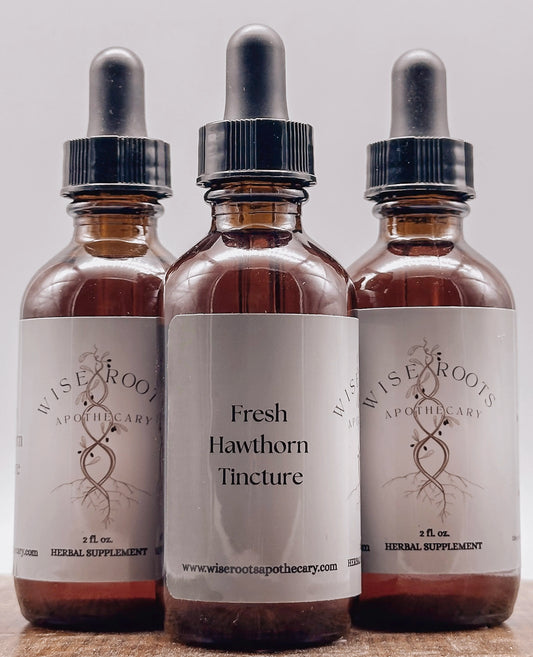
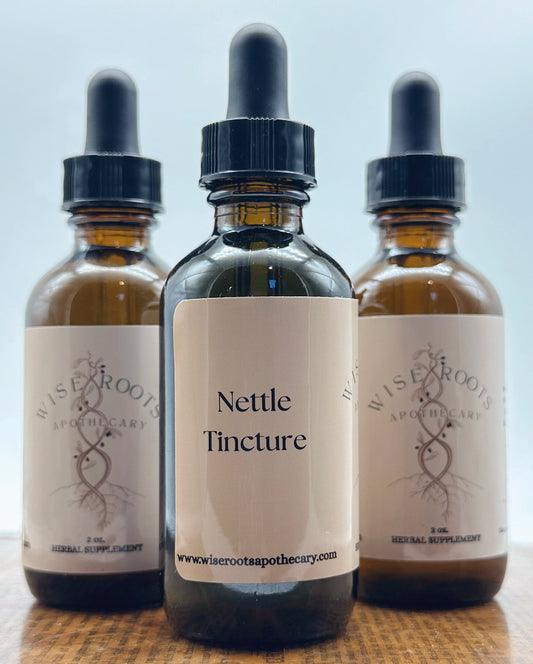
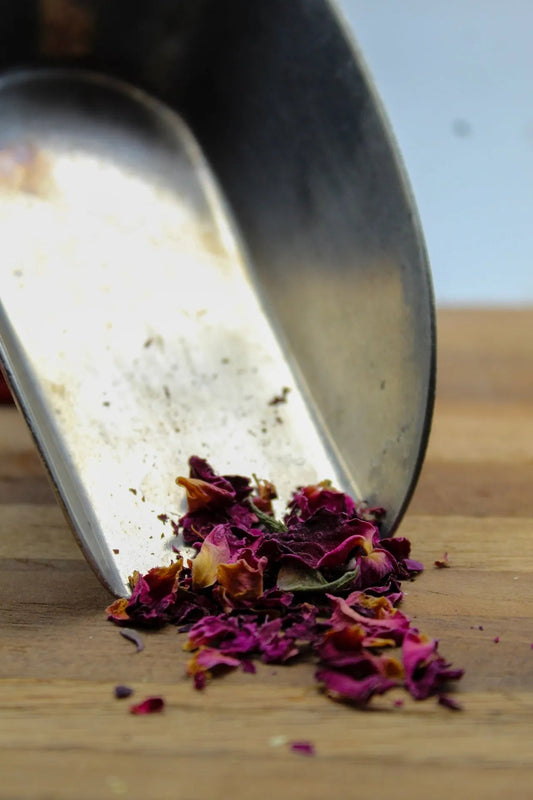
In the Wheel of the Year we are approaching Beltane which occurs on May 1st and marks the cross-quarter point between the Spring Equinox and the Summer Solstice. Energetically it may feel like an in-between time and it is. One that is ushering in more light more and more fire energy but that still has the feeling of standing on the edge of the cool and damp weather of spring and of renewal and newness.
For me it has always been about sensing into what is in harmony in my life and what is not. In work, in relationships to both human and other than humans that are in my life or that I have an affinity with. And maybe most importantly what in my daily life and practices are in harmony for my body, mind, and soul.
I take some time to reflect back to January when I was in a "dreaming what is possible" state, through to Spring with more clarity on what I want to be and do in the world and start taking action, and now in May a chance to make some "final" at least in this moment choices on what is in harmony and what is not, and what do I want to give my precious life force and devotion to. Because everything we are and everything we do is a creation I look at honoring what and who got me here and then what support structures I need to bring whatever creations I have been seeding into form. By structures I mean time, money, energy, relationships, practices, plants and all forms of support from the natural world, and what can I give back so that there is a circle of reciprocity.
There’s a quieter truth beneath the flowers and firelight of Beltane—something older than celebration, something the land itself is always whispering if you slow down enough to hear it.
This season isn’t just about things blooming. It’s about how they bloom, and whether we are in right relationship with that unfolding.
If you walk outside in early May—really walk, not just pass through—you’ll notice that nothing is forcing itself. The hawthorn doesn’t strain to flower. The nettle doesn’t apologize for its sting. The rose doesn’t open all at once, nor does it offer itself indiscriminately. Each plant is in a kind of sacred agreement with its own nature and the wider web around it. There is desire, yes—but it is not chaotic. It is patterned. Intelligent. Relational.
This is the deeper current of Beltane. And the invitation is to slow down and look at nature AND yourself and your desires, patterns, and relationships with all that is.
In the old Celtic lands, people lit fires on hilltops and guided their animals between them, trusting that flame could cleanse, protect, and align what was about to enter the fertile, unpredictable season ahead. It wasn’t just about keeping livestock safe—it was about entering into summer consciously, ritually, in dialogue with forces larger than human control. Fire became a kind of mediator between worlds: between what we intend and what the land will actually allow.
Across Europe, similar gestures appear—villages adorned with flowers, bodies crowned with blossoms, dances weaving ribbons around a central pole. These weren’t quaint traditions; they were embodied prayers. To dance the maypole is to enact the weaving of life itself—the crossing, binding, and balancing of energies that create something new. To wear flowers is to declare, however briefly, I belong to the blooming world, and it belongs to me.
And always, the plants are at the center of it.
Hawthorn stands at the threshold, both beautiful and guarded, reminding us that not all openings are invitations but that we look at the openings and discern whether that invitation is right for us and for the highest good. In many traditions, it was treated with reverence bordering on caution—never taken lightly, never stripped thoughtlessly. It teaches that the heart can open wildly and still maintain its boundaries.
Rose carries another layer of this story. Soft, fragrant, undeniably alluring—and yet lined with thorns. It doesn’t separate beauty from protection. It holds them together as one truth. To work with rose at Beltane is to ask yourself not just what you desire, but what you are willing to protect in order for that desire to remain sacred. Deeper than protection I also ask how many of my desires are constructs of my mind and how many are my deepest soul level desires and what am I willing to devote myself to, because to bring what is "for me" into form takes a level of devotion on my part and meeting the Universe halfway.
Then there is nettle, rising fiercely at the edges of fields and pathways, often avoided but deeply nourishing. Nettle doesn’t seduce—it insists. It reminds us that vitality is not always gentle, that true growth often asks for contact with something that wakes us up sharply. In a season obsessed with sweetness, nettle restores the missing note: respect. A respect for sometimes having to step into discomfort and meet our edges in order to step into the next versions of ourselves.
Even mugwort, drifting in at the edges of ritual, carries the undercurrent of vision. It asks: What are you actually stepping into? What is awakening beneath the surface of this blossoming? Because Beltane, for all its beauty, is also a threshold of consequence. What is initiated now tends to grow. And it is really important to understand if what you are growing is in harmony not only with you but with the entire collective. When our dreams aren't connected into the larger community they often do not have longevity and groundedness into something larger than ourselves.
This is where the modern relationship to Beltane can deepen.
It’s easy to recreate the aesthetics—flowers on the table, candles lit, maybe even a crown woven in a quiet afternoon. But the old traditions weren’t about decoration; they were about participation. They asked people to step into relationship with the living world in a way that required attention, reciprocity, and a certain kind of humility.
To celebrate Beltane now is not just to welcome abundance—it is to become accountable to it.
When you gather plants for an altar, there is an opportunity to pause and ask: Was this given, or was it taken? When you anoint your skin with oil, infused with rose or calendula, there is a moment to feel whether you are simply applying something—or entering into a sensory conversation with the plant itself. When you light a candle or fire, even a small one, it can become more than ambiance. It can become a declaration: I am choosing to tend this spark responsibly.
Because not every spark needs to become a wildfire.
Beltane energy can be intoxicating. It pulls us toward connection, creation, expression—toward saying yes. And yes is powerful. But in the language of the plants, yes is always paired with how.
How will this grow and how much of my energy is required to grow it?
Do I have the energy to nourish and give the devotion this desire deserves?
Who else is affected by its unfolding? Am I in right relationship with the other people, nature and beings that this dream will affect? And how do we call in the support we need while being willing to reciprocate it?
In this way, Beltane becomes less about unchecked expansion and more about harmonized emergence. A kind of ecological intimacy where your desires are not separate from the world, but braided into it.
And maybe that’s the real ritual.
Not just the fire, or the flowers, or the dancing—though all of those are beautiful and worth keeping—but the willingness to stand at the threshold of your own becoming and ask:
Is what I am bringing to life in right relationship with everything it touches?
If you sit with that question long enough, the answers start to come—not as abstract ideas, but as felt knowing. In the way your body leans toward certain plants and away from others. In the way a scent opens something honest in your chest. In the way the land itself either meets you…or remains just out of reach.
Beltane is an opening.
But it is also an agreement.
And the plants, as always, are already keeping their side of it.
And as this threshold opens—this great greening, this rising of life in all directions—it’s impossible to ignore where that force lives most intimately.
Not just in the fields, or the forests, or the blossoms overhead…
but in the bodies that have always carried creation itself.
Beltane has long been spoken of in terms of fertility, but fertility is more than an abstract concept or seasonal metaphor. It is embodied. It is lived. It moves through blood, through breath, through cycles that mirror the waxing and waning of the moon and the turning of the earth. It is held, quite literally, in the bodies of those who create, nourish, and sustain life in its many forms.
The mothers.
The ones who have birthed children.
The ones who have birthed ideas, communities, healing spaces, traditions.
The ones who tend, protect, and grow what matters—often unseen, often without ceremony.
At Beltane, when the world is overflowing with visible evidence of creation, there is an invitation to honor those who embody that same generative force.
To recognize that fertility is not just about beginnings—it is about continuity.
It is about the long, steady devotion to what has been brought into being.
It is about the hands that keep tending, long after the initial spark has passed.
The rose does not bloom once and call it complete.
The earth does not green for a single day and then rest.
There is a rhythm of care, of return, of ongoing relationship.
And so as we stand in this season—this cross-quarter moment of fullness and fire—it feels only natural to turn our attention, our gratitude, and our reverence toward those who carry that rhythm in their bones.
Those who create life.
Those who sustain it.
Those who hold the delicate balance between giving and guarding, opening and protecting—just like the plants themselves.
In that spirit, this season becomes not just a celebration of the land’s fertility, but a recognition of the human expressions of it as well.
A moment to honor, to nourish, and to give back—however we can—to the ones who have given so much.
In the next month we will be honoring the mothers and the caregivers in store and online. Stay tuned!